
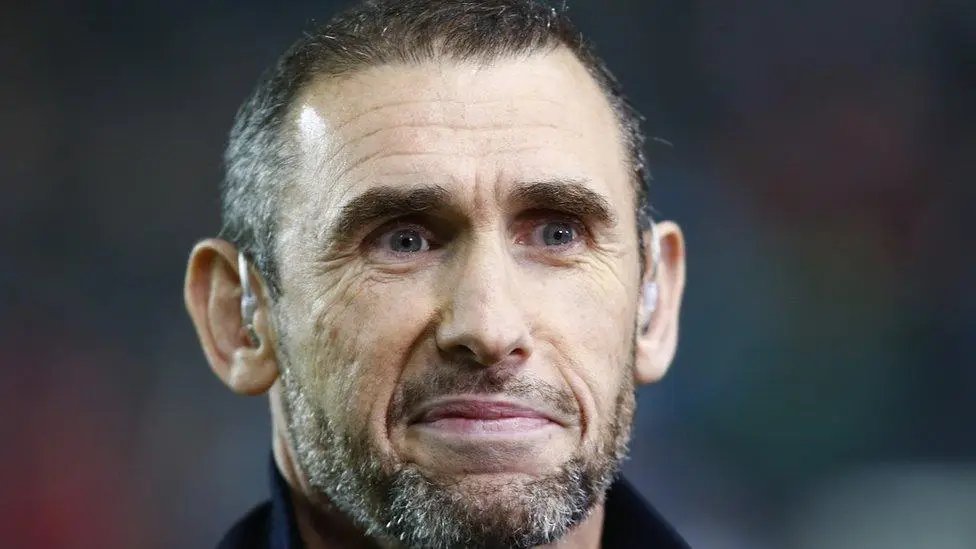
Arsenal icon, Martin Keown, has criticized Manchester United manager, Michael Carrick, and his coaching team, attributing Lisandro Martinez's defensive lapses to their oversight.
The Argentine defender received a red card during Manchester United's 2-0 loss to Chelsea at Stamford Bridge after being shown a second yellow card in the 63rd minute.
Martinez was penalized for raising his arm and making contact with Chelsea defender Wesley Fofana, which left United with ten players for the remainder of the match.
Cole Palmer subsequently converted the resulting penalty, compounding the damage after Morgan Rogers had scored just five minutes into the second half.
Rogers executed an impressive individual play, slicing through United's defense before lifting the ball over goalkeeper Senne Lammens.
This defeat intensified the pressure on Manchester United, who find themselves in 17th place in the Premier League standings with seven points from nine matches and had not secured a victory in their last nine games.
Keown asserted that Carrick and his coaching staff must take accountability for rectifying the defensive issues, emphasizing that Martinez's recurring errors should be addressed in training sessions.
In a discussion on talkSPORT, the former Arsenal and England defender expressed concern over the frequency of mistakes in the Argentine's performances.
"Everything that could possibly go wrong is indeed going wrong at Manchester United, isn’t it? Key players like Martinez make a mistake in nearly every match. There’s no doubt about that," Keown remarked.
He also analyzed United's defensive setup during Rogers' opening goal, contending that the defenders did not apply sufficient pressure on the Chelsea midfielder.
"Even the first goal they conceded, scored by Morgan Rogers, was a fantastic goal, by the way. The Arsenal back-four we had would have rushed up to the ball against Morgan Rogers. The player in possession is the most crucial figure."
The former Arsenal defender maintained that Carrick and his coaching team must identify such defensive shortcomings and work on correcting them during training.
