

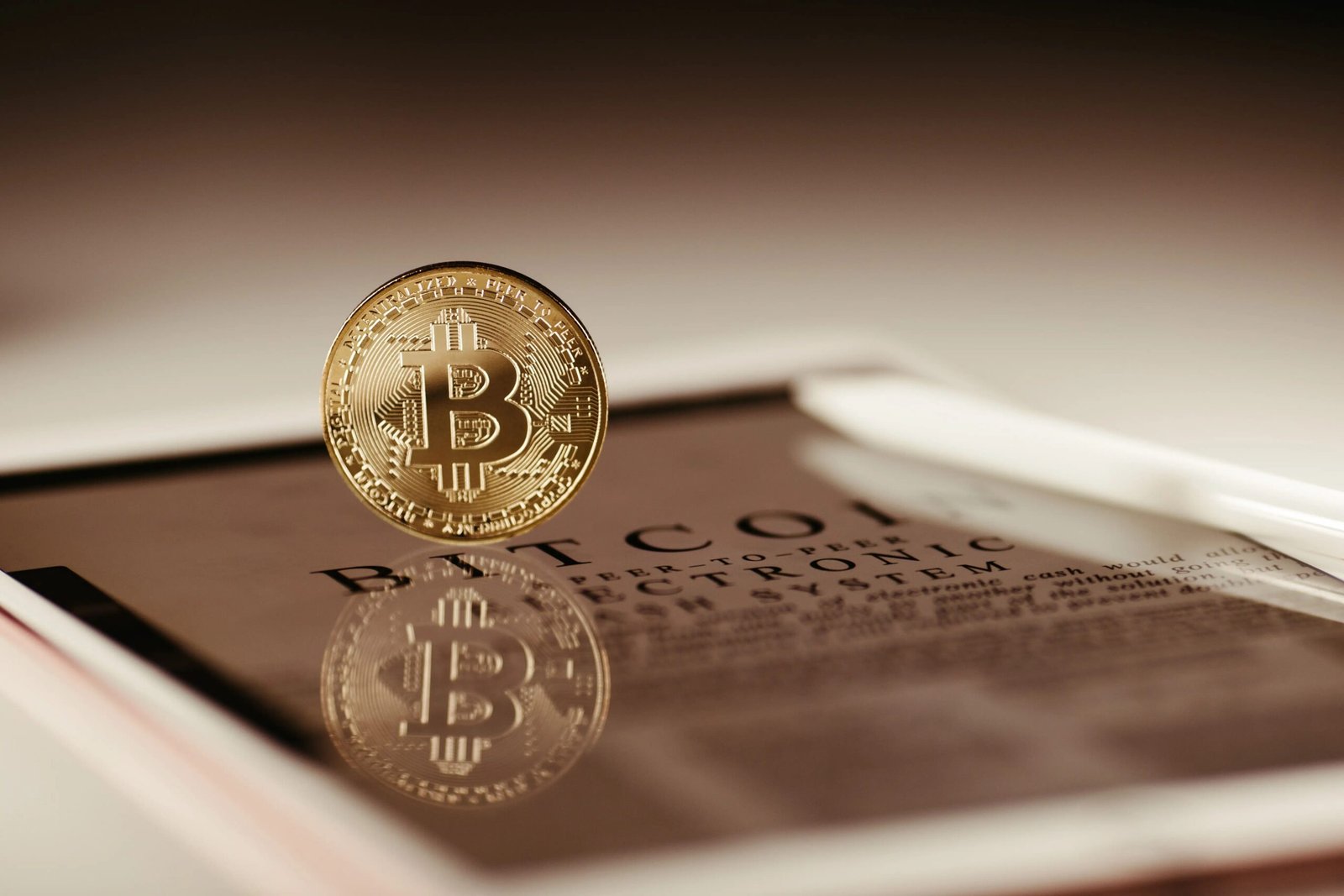
Japan’s Ministry of Finance confirmed a ¥3.2 trillion intervention on June 19 — the third since April — to arrest the yen’s slide past 162 against the dollar. Within hours, the won strengthened by 0.8 percent in sympathy. Two days later, it gave back every tick and then some, settling at 1,462 to the dollar by Monday’s Seoul close. The premium on Korean exchanges, which had been drifting near 6 percent through most of June, jumped to 7.4 percent on the same Monday.
That sequence is not a coincidence, and it is not new.
The Chain
When Tokyo intervenes, it sells US Treasuries to buy yen. The immediate effect is a stronger yen, but the secondary effect matters more for Korea: dollar liquidity tightens across Asian funding markets for a day or two. Korean banks running dollar short positions face higher overnight costs. The won rallies briefly, then weakens once the intervention fades because the underlying dynamics haven’t changed.
For the premium, the math works through BTC/KRW. A won dropping from 1,440 to 1,462 in three sessions makes Bitcoin mechanically more expensive in won terms. But the exchange index amplifies the FX move — Korean retail, watching won depreciation on evening news, accelerates crypto purchases as a perceived hedge. The one-trade-per-day rule means this pressure cannot be arbitraged within the same session.
Washington’s Quieter Hand
Japan intervenes loudly. The US Treasury operates differently — through rhetoric and the semi-annual currency report. In April, Treasury added Korea to its monitoring list for the third consecutive cycle, citing persistent current account surpluses and one-directional FX intervention by the Bank of Korea. The practical consequence: Seoul becomes more reluctant to defend the won aggressively, fearing a formal manipulator designation. The won drifts lower with less resistance, and the premium finds a higher floor.
The real effective exchange rate tells the story. By June 2026, the won’s REER hit 82.99 on the BIS index — the lowest in seventeen years. That number means Korean purchasing power relative to trading partners has eroded to levels last seen during the 2008 financial crisis. For the premium, a structurally weak won is fuel: it keeps domestic crypto prices elevated in won terms even when global BTC is flat.
Why This Matters in Lagos and Nairobi
African traders living with managed currencies understand this intuitively. The Central Bank of Nigeria’s sporadic dollar auctions produce the same pattern — brief naira strength, then a reversion widening the P2P spread. The SARB’s reluctance to intervene mirrors Seoul’s fear of the Treasury watchlist. In both cases, crypto premium is a pressure valve for FX demand the official channel cannot absorb. When Japanese interventions create temporary calm followed by sharper won weakness, the Korean gauge spikes — and historically, global BTC follows within a week.
Forecast
“Everyone watches the yen intervention headlines, but the second derivative is what moves the premium,” says analyst Amara Diallo. “Tokyo buys yen, the won rallies for a day, then the reversion is harder because the BOK can’t match it — Treasury is watching. Each Japanese intervention cycle has left the won weaker on net since April, and each one has lifted the premium floor by roughly half a point. If Tokyo goes again in July, I’d expect the premium to test 8 percent before stabilising. The won at 1,460-plus is doing the heavy lifting.”
